

How to Become a Camp Cook in Canada: Tickets, Pay and the Path to Head Chef
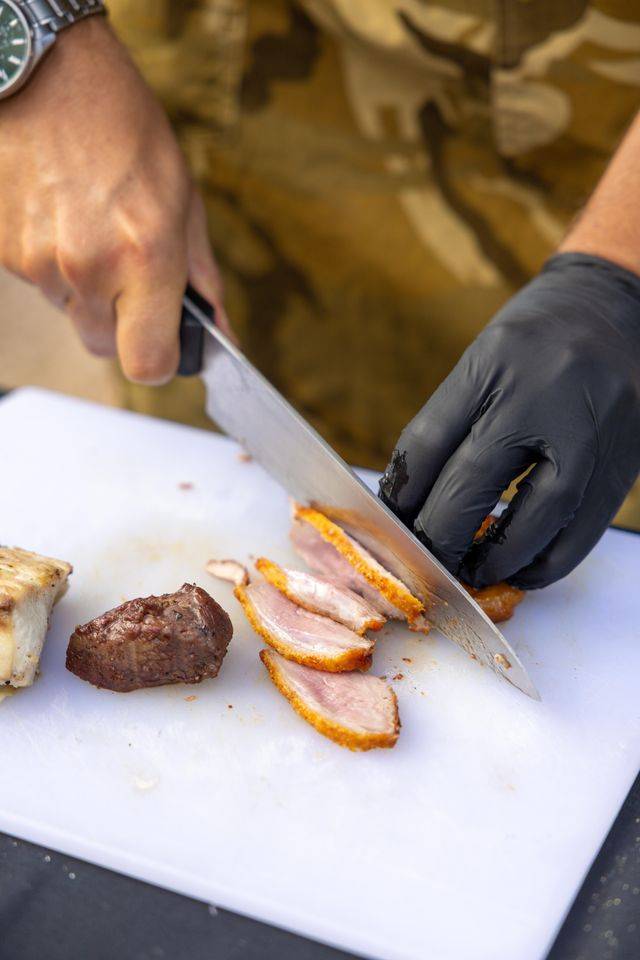
How to Become a Camp Cook in Canada: Tickets, Pay and the Path to Head Chef
Every camp in this country runs on its kitchen. Before a welder strikes an arc or a haul truck rolls out of the yard, somebody has already been up since 4 a.m. cooking breakfast for a few hundred people. That's a big reason cook roles make up so many of the postings on our jobs board, and why they're one of the most realistic ways into camp work if you've ever worked a line, a banquet kitchen or a hotel breakfast shift.
If you want to work in kitchens beyond Canada too, our sister site ChefJobs Abroad lists chef and cook roles worldwide. This guide covers what camp cooks do, how the ladder works from kitchen helper to head chef, the tickets that actually get asked for, and what the pay data says.
What a camp cook actually does
Camp cooking is production cooking. You're feeding a crew at set meal times, usually breakfast, a packed lunch, dinner and sometimes a night meal, for people who've worked a long shift outdoors and want a hot plate, not a tasting menu. Menus run on cycles, portions are controlled, and food safety (HACCP logs, labelling, temperature checks) is a daily routine rather than something you think about once a year.
Most camp kitchens are staffed in layers. A typical large-camp postings ladder looks like this:
Kitchen helper / general helper: dishwashing, stocking, cleaning, basic prep.
Baker, breakfast cook or prep cook: a defined station, often with early or overnight hours.
3rd, 2nd and 1st cook: each step up adds more hot-line responsibility, ordering and supervision.
Chef / head chef: menu planning, ordering, costing, staff scheduling and inventory.
Camp manager: runs the whole site, including kitchen, housekeeping and maintenance contractors.
You can see most of those rungs on our own board right now: a prep cook in Prince George, a 3rd cook in Squamish, a first cook in Prince George, a head chef in Edmonton and a camp manager trainee in Edmonton.
The tickets and paperwork that actually matter
You don't need a Red Seal to cook in camp. What employers ask for most often is simpler:
A current food safety certificate. Postings we reviewed this autumn from large camp caterers listed "current Food Safe certification" as a requirement for 3rd and 2nd cook roles. In BC the provincial program is FOODSAFE, which can be taken online through Open School BC. Other provinces have their own food handler courses, so check the one your employer accepts.
Experience in large-scale cooking. Camps, banquet halls and hotels all count. For helper roles, "various degrees of experience" is genuinely accepted.
Physical readiness. Expect to lift up to about 50 lbs, stand for long periods and work with your arms overhead.
Valid government photo ID, needed for flights and site access, and sometimes a criminal record check.
Drug and alcohol testing. Many sites require it. Read our guide on what to expect.
Oil sands or industrial site tickets. Some sites want H2S Alive or a safety orientation even for kitchen staff, but most employers either cover or arrange these after hire. Ask before paying for anything.
Do you need a Red Seal?
Not to get hired. But it matters for chef roles. Cook is a Red Seal trade, and Red Seal's program lists three levels of technical training and roughly 5,400 hours of combined on-the-job and in-school training. In Alberta, for example, the apprenticeship runs three periods with 1,560 hours of on-the-job training in each, plus eight weeks of classroom training per period. If you already have years behind you, Alberta's Trades Qualifier Program lets experienced cooks challenge the exam with 7,020 hours (about 54 months) of verifiable work experience.
If you've been cooking for years but never got the ticket, a camp is actually a decent place to document your hours. Large catering companies often have a head chef who can sign off on experience.
What camp cooks get paid
Here's the official picture. Job Bank's wage data for camp cooks (reference period 2023 to 2024, updated November 2025) shows:
Region (Low/Median/High)
Canada $15.00$18.00$25.00
British Columbia$18.25$20.00$26.00
Alberta$15.00$17.50$23.50
Northwest Territories$18.50$25.00$37.50
Nunavut$19.75$25.00$35.00
Yukon$20.00$28.37$41.67
Two things to keep in mind. First, those are survey figures for everyone in the occupation, so they sit below what many camp postings actually offer. Second, the north pays more: the Yukon median is about $10 an hour higher than the national one. And pay isn't the full picture, because camp cooks don't pay for rent or groceries while on rotation, and 57.4% of camp cooks nationally receive at least one non-wage benefit, according to the same Job Bank page.
In real postings this autumn, Sodexo advertised a 1st cook at a remote Manitoba kettle camp at $24 an hour, and large camp caterers' postings for 3rd cook through 1st cook ran from roughly $19.50 to $22.50 an hour, with chef roles advertised as day rates in the $330 to $335 range. Treat those as a snapshot, since they change posting to posting.
How to land your first camp cook job
Start where the openings are. Helper, breakfast cook and 3rd cook roles turn over the most. Our jobs page filters by role.
Frame your experience for production cooking. Mention covers per service, banquet or hotel breakfast experience, ordering, and HACCP logs if you've done them.
List your location and your willingness to rotate near the top of your resume. Employers want to know whether you can reach their pickup point.
Ask the three practical questions. Where does paid travel start, are travel days paid, and what's the rotation? Our rotations comparison will help you judge the answers.
Pack smart for the first hitch. The packing list covers non-slip boots, which cooks need more than anyone.
The path up
The nice thing about camp kitchens is that the ladder is visible. A helper who shows up reliably becomes a 3rd cook within a season or two. A 1st cook with ordering experience and a clean food safety record becomes a chef, and a chef who can manage budgets and people becomes a camp manager. It's the only career ladder in hospitality where you can move up and also be debt-free, because your accommodation and meals are covered while you work.
If you ever want to take those skills overseas, head to ChefJobs Abroad, our sister site for chef and cook jobs around the world. A few seasons of camp experience on your resume is exactly what international kitchens look for.
New to all this? Start with what a camp job actually is and our complete guide to camp jobs in Canada, then browse open cook roles.
Sources
Never Miss a Worker Opportunity
Get the newest international worker jobs and travel career guides delivered weekly.
No spam. Unsubscribe anytime.