

H2S Alive and the Other Tickets You Need for Oil & Gas Camp Work
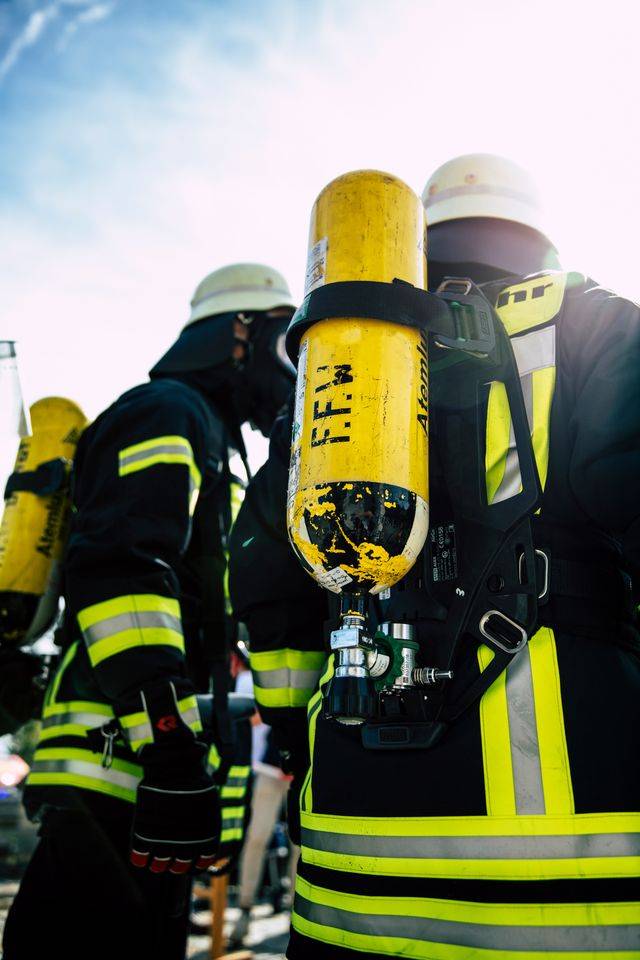
H2S Alive and the Other Tickets You Need for Oil & Gas Camp Work
Oil and gas postings list more tickets than any other camp industry, and it's easy to spend a few hundred dollars on the wrong ones. This is the working checklist: what each ticket is, how you take it, how long it lasts, and which ones are worth paying for before you have a job offer. For the industry overview, see our oil and gas guide, and for what the region is like, see working in the oil sands.
The Quick Version
| Ticket | Who issues it | How you take it | Lasts | When you need it |
|---|---|---|---|---|
| H2S Alive | Energy Safety Canada | One day, in person | 3 years | Almost any sour gas or oil sands site |
| Common Safety Orientation (CSO) | Energy Safety Canada | Online, about a day | No expiry | New to the industry |
| Standard First Aid | Red Cross and other approved providers | In person or blended | Check your certificate | Most camp jobs |
| WHMIS | Many providers | Online | Usually refreshed yearly by employers | Every industrial job |
| Confined Space Entry and Monitor | Energy Safety Canada | One day | Check your certificate | Role-specific |
| Fall Protection | Energy Safety Canada | One day | Check your certificate | Role-specific |
H2S Alive
Hydrogen sulphide, or sour gas, is colourless and can kill quickly. That's why this ticket is the one nearly every posting asks for.
According to Energy Safety Canada's course page, H2S Alive is a one-day course that teaches you to detect H2S, protect yourself, and respond to a release. It includes hands-on practice as well as theory, so you can't do your first one online. You need 70% on the exam, attendance for the full day is mandatory, and the certificate is valid for three years.
Don't let it lapse. If your certificate is still valid, you can renew through the shorter blended renewal, which is an online theory exam plus a short in-person skills check. Once it expires, you're back to the full classroom day.
Common Safety Orientation (CSO)
CSO is the general safety orientation for people new to the energy industry. Per Energy Safety Canada:
- It's available online and is designed to be finished in a day
- The listed price is $90 (prices can vary)
- The pass mark is 80%, and you get five attempts at the final exam
- You have 90 days from registration to finish
- The certificate doesn't expire
- For the online version you need government photo ID, a webcam, and a stable internet connection
Since it's cheap, online, and permanent, CSO is the easiest ticket to get ahead of time.
Standard First Aid and WHMIS
Both are expected across camp work generally. Standard First Aid involves in-person practice. WHMIS covers hazardous product labels and safety data sheets, takes an hour or two online, and many employers will run you through their own version again on site.
Confined Space and Fall Protection
These two are role-specific. You need them if your job involves entering tanks and vessels, or working at heights, which covers a lot of trades, scaffolding, and turnaround work.
The versions oil sands sites ask for are Energy Safety Canada courses. They were originally developed by the Oil Sands Safety Association, which is now part of Energy Safety Canada, so you'll still see them called "OSSA" tickets on older postings and by training schools. Each is roughly a one-day course. If a posting names the Energy Safety Canada or OSSA version specifically, a generic course from another provider may not be accepted.
Which to Get First
If you're starting from nothing:
- CSO. Cheap, online, never expires.
- H2S Alive. The one that gets your resume read.
- Standard First Aid and WHMIS. Useful in every camp industry, not just this one.
- Wait on the rest. Confined space, fall protection, and equipment tickets depend on the role, and employers often pay for them once you're hired.
Three Things That Save You Money
Use authorized providers. H2S Alive is delivered by training companies approved by Energy Safety Canada. Employers can check any certificate through Energy Safety Canada's certificate validation tool, so a ticket from an unapproved source is worthless.
Bring the originals. Sites check ticket cards at orientation. See our packing list.
Expect site orientation on top. Tickets get you through the gate. Every operator then runs its own site-specific orientation before you start work.
If You're on a Work Permit
Canadian tickets are something you can hold before you arrive or soon after, and employers who hire internationally often ask which ones you already have. Read what "work-permit friendly" means for the questions to ask.
Getting Started
Browse current oil and gas jobs and note which tickets come up again and again for the roles you want. That list is your shopping list.
Never Miss a Worker Opportunity
Get the newest international worker jobs and travel career guides delivered weekly.
No spam. Unsubscribe anytime.