

Camp Job Packing List: What to Bring on Your First Rotation
Camp Job Packing List: What to Bring on Your First Rotation
Most first-timers overpack. Camp covers more than you'd expect, the bag limit on a crew flight is real, and the things people actually regret forgetting are small: earplugs, a ticket card, enough of a prescription. This is the practical list. If you're still working out what camp work is, start with what a camp job actually is or the complete guide to camp jobs in Canada.
What Camp Usually Provides
Camp accommodation in Canada is regulated, through rules like BC's Industrial Camps Regulation and Alberta's Work Camps Regulation. In practice that means a room with a bed and bedding, three meals plus a bagged lunch for shift, laundry machines, and somewhere to shower. Larger camps add a gym and wifi. You don't need to bring a pillow, a towel collection, or a week of snacks.
What varies is the detail. Some smaller exploration camps expect you to bring a sleeping bag. Some camps supply towels and some don't. Your joining instructions will say, and if they don't, ask your recruiter before you fly.
Work Gear: What's Yours and What's Theirs
Employers typically hand out site-specific protective equipment such as a hard hat, safety glasses, hi-vis vest, and gloves. Boots are usually yours to bring, and they need to be the right ones.
Look for the CSA green triangle. The Canadian Centre for Occupational Health and Safety explains that the mark means a Grade 1 protective toe plus a puncture-resistant sole, which is the rating heavy industrial sites expect. A green triangle is not the same thing as "steel toe", and a boot without the mark can get you turned around at the gate.
Two tips from people who've done it: break your boots in before the rotation, not during it, and bring a second pair of insoles.
Clothing: Layers, Not Bulk
For cold sites, CCOHS's cold-weather guidance is the best free packing advice there is. The short version:
- Several thin layers beat one thick one. The air trapped between layers does the insulating, and you can peel one off before you start sweating.
- Base layer that wicks. Wool, polyester, or polypropylene against the skin.
- Skip cotton. It gets damp fast and stops insulating once it does. Wool and synthetics still hold heat when wet.
- Wind-resistant outer layer, waterproof if the site is wet.
- A liner or thin toque that fits under a hard hat.
- Mittens for the deep cold. CCOHS suggests mittens instead of gloves below about -17°C when the job doesn't need fine finger work.
- Extra socks. Enough to change into a dry pair mid-shift. If you double up, the outer sock should be a size bigger so it doesn't squeeze the inner one.
Add a few sets of off-shift clothes, gym clothes if you'll use the gym, and a pair of indoor shoes or sandals. Many camps don't allow work boots inside the dorms.
Paperwork and Tickets
This is the part that actually stops people at the airport or the gate:
- Government photo ID. You need it to fly and to get on site.
- Your ticket cards and certificates. Bring the originals of whatever your posting asked for, and keep photos of them on your phone.
- Banking details for payroll, if you haven't already submitted them.
- Prescription medication in its original container, with enough for the whole rotation plus a few extra days. Weather delays crew flights, and the nearest pharmacy may be a plane ride away.
The Sleep Kit
Long shifts only work if you sleep, and camp walls can be thin. CCOHS's fatigue guidance recommends making the room as dark and quiet as you can, with an eye mask and earplugs where needed. Both weigh nothing. If you're on nights, they matter even more. We go deeper on this in how camp employers manage fatigue.
Downtime
- Phone, charger, and a short power bar
- Headphones
- Shows, music, or books downloaded before you leave. Wifi at remote camps is often slow or capped.
- A refillable water bottle and a travel mug
What to Leave at Home
Many camps are dry, meaning no alcohol, and nearly all ban cannabis, illegal drugs, and weapons. Rules differ by site, and breaking them usually means being sent home on the next flight out. Read the camp rules in your joining package. Leave valuables at home too.
Check the Bag Limit
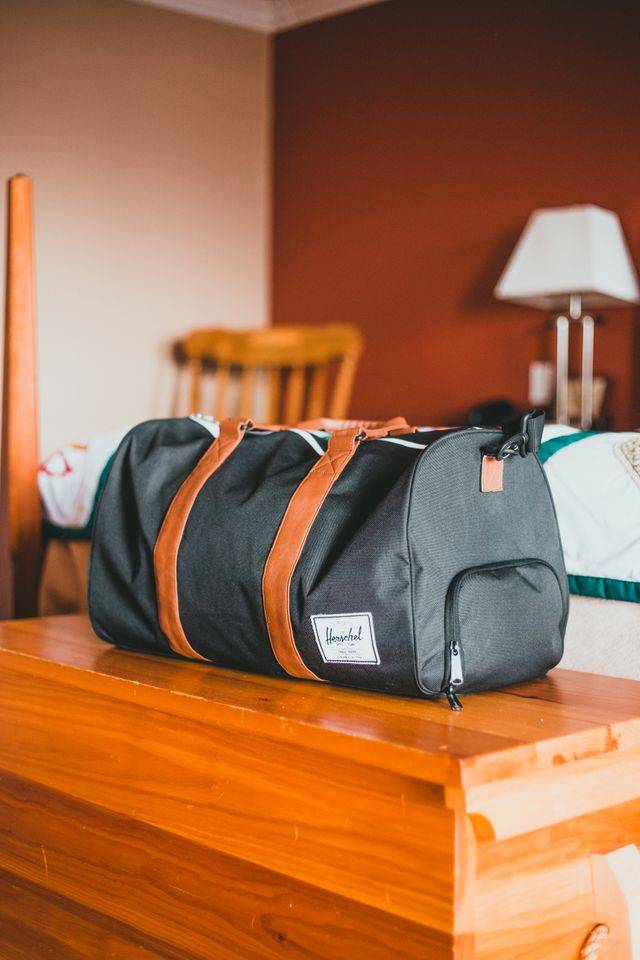
Crew and charter flights often have tighter weight limits than a commercial airline, and they're enforced. Your travel instructions will give the number. One soft duffel plus a small carry-on is the standard setup, and soft bags fit in small aircraft better than hard cases.
Getting Started
Not sure what a posting expects you to show up with? The ticket and rotation details on each listing tell you most of it. Browse current camp jobs, and read how rotations work so you know how many days you're packing for.
Never Miss a Worker Opportunity
Get the newest international worker jobs and travel career guides delivered weekly.
No spam. Unsubscribe anytime.