
Fort McMurray & the Oil Sands: A Worker's Guide to Northern Alberta
Fort McMurray & the Oil Sands: A Worker's Guide to Northern Alberta
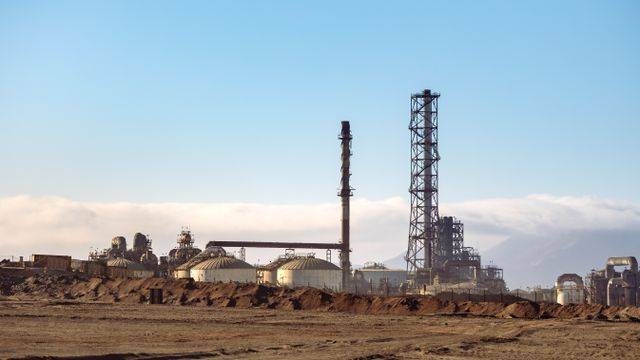
Fort McMurray, in Alberta's Regional Municipality of Wood Buffalo, is the hub of Canada's oil sands region and still the single biggest concentration of oil & gas camp work in the country. If you're heading there for a rotation — whether you're staying in town or flying straight to a lodge — here's the practical picture. For the industry itself, see our full oil & gas guide and what new oil sands workers should know.
Getting There
Most FIFO rotations into the region fly out of Edmonton or Calgary directly into Fort McMurray, either on commercial routes into the Fort McMurray airport or, for some larger operators, chartered flights straight to a company airstrip near the lease. DIDO work — driving yourself in — is more realistic for workers already living in or near northern Alberta, since Fort McMurray sits roughly a 4-to-5-hour drive north of Edmonton on Highway 63, considerably farther from Calgary. Which option makes sense for you depends heavily on where you're coming from and which employer you're working for — some run their own camp shuttle service from the airport, others expect you to arrange the last leg yourself, so it's worth confirming directly with the employer before your first rotation.
Camp Life vs. Living in Town
The region has genuinely shifted in recent years. The Regional Municipality of Wood Buffalo's 2025 census put the municipality's population at 107,740, a 1.6% increase since 2021 — and notably, the number of temporary workers living in camps or short-term accommodation dropped 22.15% over the same period, with the number of active work camp facilities falling from 68 down to 25. The municipality frames this as more workers choosing to live in Fort McMurray full-time rather than fly in and out of a camp — which matters if you're deciding between the two yourself. Living in town means access to normal community amenities, schools if you're relocating a family, and a housing market that isn't tied to your employer; living in camp means no rent or grocery bill during your rotation and no commute at all once you've landed. Neither is objectively better — it depends on whether you're doing this short-term or planning to put down roots in the region.
What a Camp/Lodge Actually Looks Like
Given the scale of the region, accommodation here is large-scale, purpose-built infrastructure rather than a handful of trailers — expect a private or shared room, a full-service cafeteria, laundry, and typically a gym and wifi, regulated under Alberta's Work Camps Regulation. Several third-party lodging operators run dedicated oil sands lodges in the region specifically for this purpose, separate from the smaller camps individual projects might run themselves — the specifics (room type, amenities, distance from your actual worksite) vary enough between operators that it's worth asking directly rather than assuming.
The Work Itself
The region runs on two distinct types of operation — mined (open-pit) and in-situ (thermal/SAGD) — each hiring differently and each with its own major operators and project types. We break that down in full separately, including what a first rotation typically looks like and which tickets you'll need before you start.
Getting Started
Browse current oil & gas jobs in the region, or check construction and hydro postings if you're looking at adjacent project work. For the wider picture on Canada's biggest camp-job regions, see our full regional guide.
Never Miss a Worker Opportunity
Get the newest international worker jobs and travel career guides delivered weekly.
No spam. Unsubscribe anytime.