
Working in the Oil Sands: What New Workers Should Know
Working in the Oil Sands: What New Workers Should Know
"The oil sands" isn't one worksite — it's a region running two genuinely different types of operation, spread across multiple major employers, each with its own project types and camps. If you're looking at your first oil sands posting, here's what the region actually looks like before you apply. For tickets, pay, and the wider oil & gas picture, see our full oil & gas guide.
Two Kinds of Oil Sands Operation
Postings will usually specify which type of operation you'd be working on, and it's worth knowing the difference:
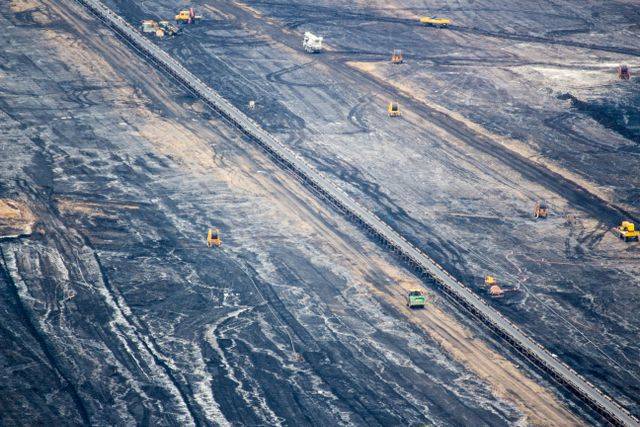
Mined (open-pit) operations dig bitumen out through surface mining, then process it at an adjacent upgrading facility. This is heavy-equipment-intensive work — haul trucks, shovels, and the upgrader itself — and it's what most people picture when they think "oil sands." Major mined operations include Suncor's Base Plant and Millennium mines, Syncrude's Mildred Lake and Aurora North mines, and CNRL's Horizon mine.
In-situ (thermal/SAGD) operations extract bitumen underground using steam, without surface mining at all — the site looks more like a conventional well field than a mine. Most in-situ production is sold as diluted bitumen directly to refineries rather than upgraded on-site. Major in-situ operations include Suncor's Firebag facility, CNRL's Cold Lake operations, and CNOOC's Long Lake facility.
The two types hire for different roles in different proportions — mined operations lean more heavily on heavy equipment operators and mine maintenance trades, while in-situ sites lean more on process operators and well-servicing roles — so it's genuinely worth knowing which kind of site a posting is for before you apply, not just that it's "oil sands."
The Scale of the Region
This isn't a shrinking industry. CAPP's own 2026 report puts combined mined and in-situ bitumen production at roughly 3.7 million barrels a day, accounting for close to a third of all Canadian crude production, with CAPP forecasting that climbing past 4.0 million barrels a day by 2034. The operations, maintenance, and turnaround work behind that number is the actual hiring base — not a single big project, but an entire region's worth of ongoing production and maintenance work. We cover the region itself, including where most workers commute in from, in our Fort McMurray region guide.
What to Expect on a First Rotation
Most oil sands rotations are FIFO — you'll typically fly out of Edmonton or Calgary into the region, then get shuttled to your specific site or lodge. Camp accommodation at this scale is genuinely large-scale infrastructure, not a handful of trailers — expect a private or shared room, a full cafeteria running multiple meals plus a packed lunch for shift, laundry, and usually a gym and wifi, regulated under Alberta's Work Camps Regulation. Shifts commonly run 10–12 hours, and rotation length varies by employer and role — see our rotation comparison for how that affects your actual schedule and pay.
Tickets to Have Before You Apply
Oil & gas has the strictest ticket requirements of any camp industry — H2S Alive and Common Safety Orientation are close to standard requirements across the region, on top of Standard First Aid and WHMIS. We cover the full ticket list and where to get certified separately, including what each certification actually covers.
Getting Started
Browse current oil & gas jobs and check whether a posting is for a mined or in-situ operation before you apply — it tells you what kind of day-to-day work to expect. For tickets, pay, and turnaround work specifically, read the full oil & gas guide.
Never Miss a Worker Opportunity
Get the newest international worker jobs and travel career guides delivered weekly.
No spam. Unsubscribe anytime.