
Oil & Gas Camp Jobs in Canada
Oil & Gas Camp Jobs in Canada
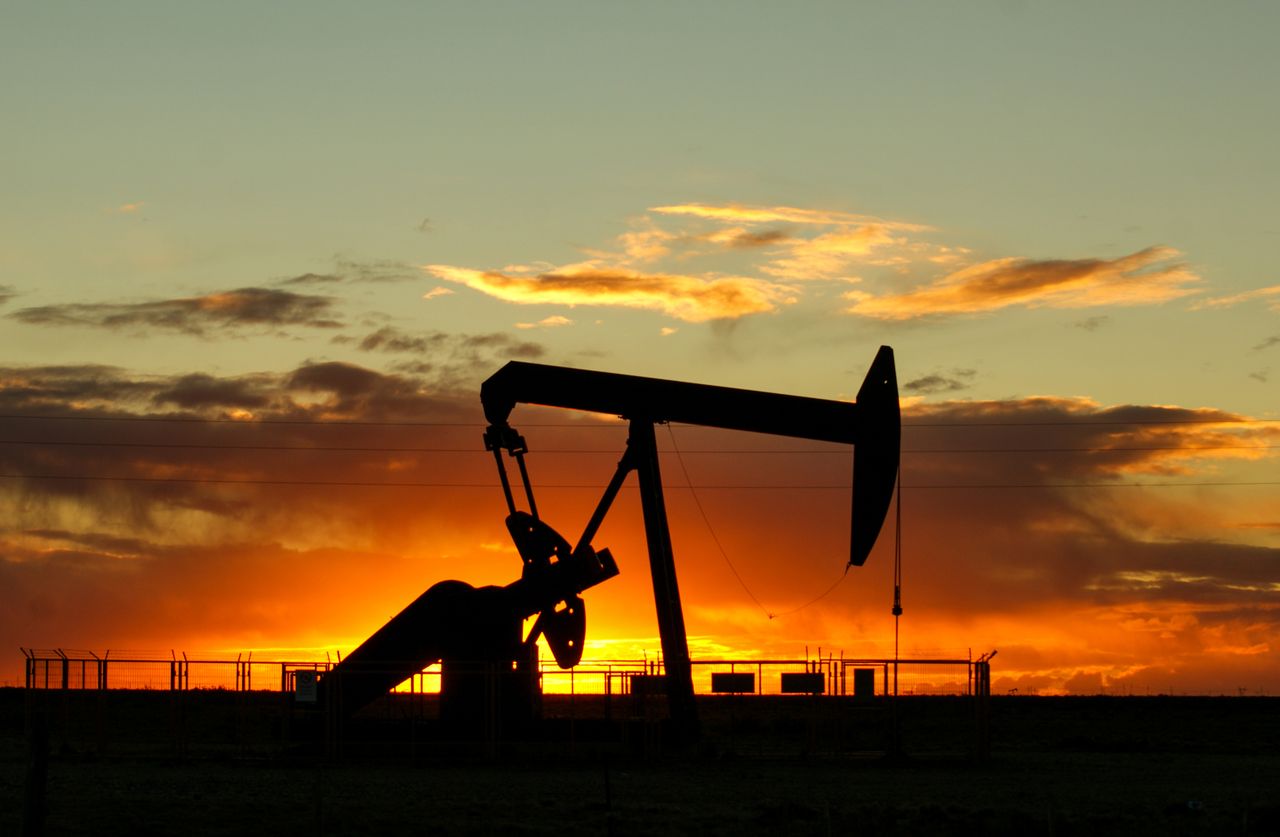
Oil & gas is the single largest category of camp work in Canada — oil sands operations, pipeline construction, and turnaround work between them post more openings than any other industry on this board. This is the overview: what the sector actually looks like right now, what tickets get you hired, and what the work pays. For how camp work in general fits together, see the complete guide to camp jobs in Canada.
The Oil Sands, In Numbers
The scale here is worth understanding before you look at a single job posting. According to the Canadian Association of Petroleum Producers' own 2026 oil sands report, combined in-situ and mined bitumen production averaged roughly 3.7 million barrels a day in 2025, and mined bitumen alone accounts for about 30% of all of Canada's crude oil production. CAPP's own forecast has total raw bitumen production climbing past 4.0 million barrels a day by 2034 — which means the operations, maintenance, and turnaround work behind that number isn't slowing down. This is Alberta- and northeast-BC-centred work, concentrated around Fort McMurray and the surrounding oil sands region, plus pipeline and gas-plant work spread more broadly.
Tickets You Need
Oil & gas has the strictest ticket requirements of any camp industry on this board, for a good reason — the hazards on a sour gas or oil sands site are specific and serious.
- H2S Alive — certified through Energy Safety Canada, this is close to non-negotiable anywhere hydrogen sulphide gas is a risk, which includes most oil sands and sour gas sites.
- Common Safety Orientation (CSO) — also an Energy Safety Canada program, built specifically for workers new to the energy industry. It's a one-day course covering the industry's 10 Life Saving Rules, hazard identification, and emergency procedures, with an 80% pass mark on the exam — a genuinely useful first ticket if you're coming into oil & gas from outside the industry.
- Standard First Aid and WHMIS — required across camp work generally, oil & gas included.
If you're new to the industry, CSO plus H2S Alive is the realistic starting pair — most entry-level oil & gas postings expect at least that much before your first shift.
What Oil & Gas Camp Work Pays
This is where oil & gas separates itself from most other camp industries. Alberta's own labour market data for oil and gas well drillers, servicers, testers, and related workers shows an overall median of $47.01/hour and an average of $41.84/hour, with starting workers averaging $32.68/hour and top earners averaging $53.85/hour — an average annual figure of roughly $84,111. That's meaningfully higher than Alberta's median for heavy equipment operators at $34.30/hour, a role that also shows up heavily in oil & gas camps for site prep and maintenance work. The gap reflects both the specialized tickets required and the physical demands of well-servicing work specifically — it isn't representative of every oil & gas camp role, but it shows why drilling and servicing positions are some of the highest-paid entry points into camp work generally.
Turnarounds & Shutdowns: The Short-Contract Category
A large share of oil & gas hiring isn't ongoing operations — it's turnarounds and shutdowns, the scheduled maintenance windows where a plant or facility shuts down operations for intensive repair and inspection work. These run on compressed timelines with long hours, and they pay accordingly, but the contract is short by design — days to a few weeks, not months. It's a distinct hiring category from a standard rotation, and one worth understanding on its own before you apply, since the pace and expectations are different from a regular oil sands posting. We cover this in more depth separately.
Pipeline Work
Pipeline construction runs on its own separate hiring cycle from oil sands operations — tied to specific projects rather than year-round production — and roles range from general labourer through equipment operator and skilled trades. BC's LNG-linked construction activity is currently one of the biggest active pipeline and construction hubs in the country; we cover that region specifically, since it's hiring at a scale worth its own guide.
Getting Started
Browse current oil & gas jobs, filtered by rotation, ticket, and province. If you're weighing oil & gas against other camp industries, start with the full guide — and if you're a newcomer to Canada checking whether your work permit situation fits, that's covered in our immigration guide.
Never Miss a Worker Opportunity
Get the newest international worker jobs and travel career guides delivered weekly.
No spam. Unsubscribe anytime.