

LNG Canada & Kitimat: BC's Biggest Construction Camp Right Now
LNG Canada & Kitimat: BC's Biggest Construction Camp Right Now
For a long time the answer to "is LNG Canada Phase 2 happening?" was "probably." At the end of September 2026 it became "yes." The project's five owners approved the expansion, and Kitimat is about to become one of the largest construction sites in the country for the second time in a decade. Here's what was announced, what it means for hiring, and how to avoid the mistakes people made last time. For the other big hiring regions, see where the camp jobs are.
This post reflects what was public in early October 2026. Details will firm up as contracts are awarded.
What Was Approved
LNG Canada's announcement confirms that Shell, PETRONAS, PetroChina, Mitsubishi Corporation, and KOGAS have taken a final investment decision on Phase 2. In plain terms, the money is committed. The expansion will:
- Add two more processing units, called trains, at the existing Kitimat plant
- Double capacity from 14 to 28 million tonnes of LNG per year
- Add a storage tank, a condensate tank, a loading berth, and expanded utilities
The federal Major Projects Office puts the expected private investment at about $33 billion.
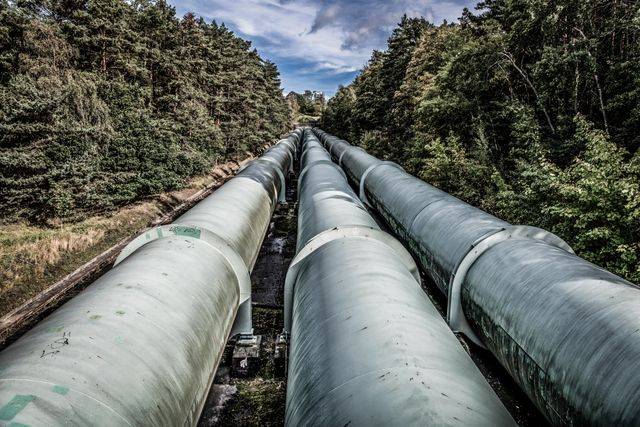
There's a pipeline side too. The Coastal GasLink line that feeds the plant will be expanded by building five new compressor stations along its 670-kilometre route from the Dawson Creek area to Kitimat.
The Job Numbers
From LNG Canada's own release:
- Up to 4,000 construction jobs in Kitimat at the peak of the build
- About 2,100 jobs building the compressor stations along the pipeline
- About 90 new full-time roles and 150 contractor positions once it's running, on top of more than 400 permanent jobs at the plant today
For a sense of scale, the company says more than 50,000 Canadians worked on Phase 1 over the life of that build, and more than 25,000 on the original pipeline.
The Honest Timeline
An investment decision is not a hiring day. Big builds ramp up over years: site preparation and early works first, then civil and foundation crews, then the peak when mechanical, piping, and electrical trades arrive in the thousands. Coverage of the announcement points to the expansion starting commercial operations in the early 2030s, so the peak workforce is still some distance out.
Nobody has published a month-by-month hiring schedule yet. Anyone telling you they know exactly when hiring opens is guessing, or selling something.
Who Actually Does the Hiring
This is the part most people get wrong. LNG Canada itself hires for plant operations. Construction workers are hired by the construction contractors and their subcontractors, often through trade unions.
So the practical steps are:
- Watch for contract awards. Each major contract announced tells you which company will be hiring for which scope.
- Apply to those contractors directly, and to the camp, catering, and transport companies that support them.
- If you're in a trade, talk to your union hall. Large industrial builds in BC lean heavily on union dispatch.
- Use LNG Canada's careers page for operations jobs, not construction ones.
On a build like this, the roles needed in volume are pipefitters, welders, electricians, ironworkers, scaffolders, crane and equipment operators, and labourers. A workforce that size also needs a large camp behind it: cooks, housekeepers, maintenance, and security.
Expect local and First Nations hiring to come first. The plant sits in Haisla Nation territory, and five neighbouring First Nations have an agreement to invest up to $1 billion for ownership of the Phase 2 storage tank. Local hiring was a priority on Phase 1 and there's every reason to expect the same again.
Watch for Scams
Announcements like this bring out fake recruiters. LNG Canada keeps a fraud and scam alert page for that reason. A real employer will never charge you a fee for a job, an interview, or a "guaranteed" placement.
Getting There and Living There
Kitimat is a small town on BC's north coast. Most workers fly into the regional airport at Terrace and travel a little under an hour south by road. During Phase 1, the bulk of the workforce lived in a large purpose-built lodge near the site, with rooms, meals, and recreation provided. Accommodation plans for Phase 2 hadn't been detailed at the time of writing. Whatever is built will fall under BC's Industrial Camps Regulation.
Pack for rain. See our camp packing list.
What to Do Now
- Trades: make sure your certification and tickets are current, and that your union or the likely contractors know you're available
- No trade yet: labourer and camp services roles are the realistic way in
- Pipeline side: compressor station work will be spread across northern BC, not just Kitimat
Browse construction jobs and oil and gas jobs to see what's open in BC today. Electrical and power work in the region is listed under hydro jobs. If you're comparing this against Alberta, read our Fort McMurray guide.
Never Miss a Worker Opportunity
Get the newest international worker jobs and travel career guides delivered weekly.
No spam. Unsubscribe anytime.