
Underground vs Open-Pit Mining: What's the Difference for Workers?
Underground vs Open-Pit Mining: What's the Difference for Workers?
A mining job posting will tell you which kind of site you're looking at, and it changes more than the scenery. Underground and open-pit (surface) mining run on different training requirements, different day-to-day work, and in some cases different tickets before you can even start. Here's what actually changes. For the broader picture on mining and exploration work, see our full mining & exploration guide.
The Basic Difference
Open-pit mining extracts ore that's close enough to the surface to dig out directly, using large-scale equipment — haul trucks, excavators, drills — in a widening pit. The work looks and feels closer to heavy civil construction than most people expect.
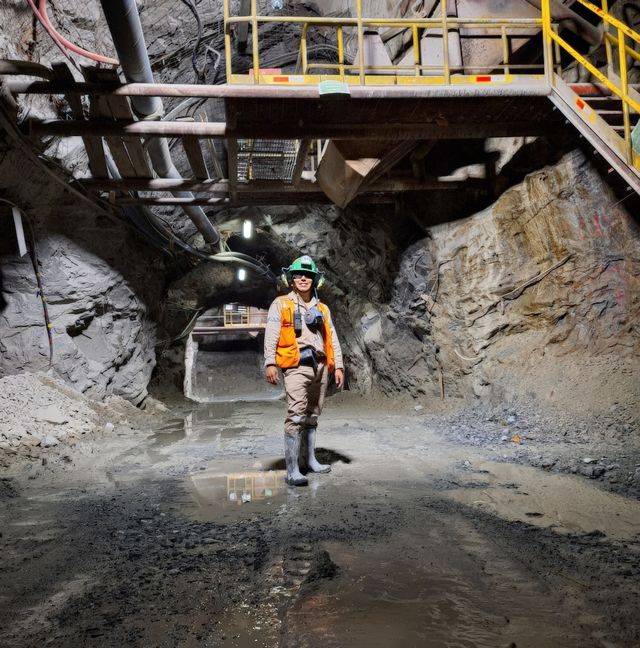
Underground mining means the ore body is deep enough that crews work below surface, in a network of tunnels and shafts, using different equipment scaled to work in confined spaces. It comes with its own specific hazards around ventilation, ground stability, and confined space that surface work doesn't have in the same way.
Training and Certification: Where They Actually Diverge
This is the biggest practical difference for a new worker. Underground hard rock mining has a dedicated, more intensive entry-level training standard — NORCAT's Underground Hard Rock Common Core program, the industry-standard entry training used across Canadian underground operations, runs five weeks combining safety theory (including Occupational Health and Safety Act content) with hands-on practical modules, and completion is required before an employee can perform any underground work. Surface mining has its own Common Core pathway too, but it's structured differently — a smaller set of core modules (three, covering entry to a pit, quarry, or excavation site) with additional specialty modules layered on depending on the role, rather than one long combined program.
Provincial licensing follows the same pattern. In BC, for example, the Mine Shiftboss Certificate is required to supervise any number of workers in an underground mine, but only kicks in on surface operations once you're supervising more than six workers — underground work triggers the higher supervisory bar regardless of crew size. Underground coal operations have their own further certification on top of that, the Fireboss Certificate, specific to supervising underground coal mining. Blasting, where it applies to either type of site, requires its own Mine Blaster Certificate, renewed every five years.
Rotations and Day-to-Day Work
Both types of site run on camp rotations — see our full rotation guide for how those schedules compare — but the shift itself looks different underground versus on surface. Open-pit work is largely equipment-based and follows daylight or split shift patterns tied to the pit's operating hours; underground work runs on a cycle that has to account for ventilation, ground control checks, and moving crews and equipment through a confined tunnel network safely, which tends to mean tighter shift handover procedures regardless of time of day, since there's no daylight underground to naturally pace the shift around.
Which One Is the Better Entry Point?
Neither is inherently easier to break into, but they favour different starting points. Surface/open-pit roles overlap more with general heavy equipment operation, which means experience from construction or other equipment-heavy industries can transfer in more directly. Underground roles more often start through the dedicated Common Core training pathway itself, which means someone with zero mining or equipment background can still get in, provided they complete that training first — it's built to take people from outside the industry, not just to certify people already working in it.
Exploration work — the fly-in drill camps that test whether a deposit is worth developing — is a third path into the industry worth knowing about separately, and it's often less tied to which of these two you'll end up specializing in long-term.
Getting Started
Browse current mining jobs and check what type of site each posting is for before you apply — it tells you what training to line up first. If you're new to mining generally, start with the full guide, which also covers what the work pays and why the industry is hiring hard right now.
Never Miss a Worker Opportunity
Get the newest international worker jobs and travel career guides delivered weekly.
No spam. Unsubscribe anytime.