
FIFO & DIDO: How Camp Rotations Work in Canada
FIFO & DIDO: How Camp Rotations Work in Canada
Every camp job runs on a rotation — a fixed pattern of days on site, followed by days off at home. It's the single biggest lifestyle difference between camp work and a normal job, and it's usually the first thing an experienced camp worker checks on a posting, right alongside the wage. This is the full breakdown: what the rotation codes mean, FIFO vs. DIDO, what actually happens to your pay and your body over a long stretch, and how to figure out which schedule fits you. For the industries and wages behind these rotations, see the complete guide to camp jobs in Canada.
Reading a Rotation Code
Rotations are written as X&Y — days on, then days off. The most common ones on Canadian camp postings:
- 2&2 — two weeks on, two off. Common on drive-in construction and some hydro sites. Roughly even split between camp and home.
- 4&3 — four days on, three off. More common on local or semi-remote sites where the commute isn't a major cost.
- 8&6 — a week and a bit on, just under a week off. A middle-ground schedule used across mining and construction.
- 14&7 — two weeks on, one off. The most common fly-in rotation in oil sands and remote mining — you work more days than you're home, which is the trade-off for a shorter commute frequency and a bigger single paycheque.
- 20&8 or longer — common on very remote, expensive-to-reach exploration and northern sites, where flying crews in and out often is the biggest single cost of running the camp.
There's no universal standard — two employers on the same rotation code can still structure hours, overtime, and travel days differently, which is exactly why a posting needs to spell it out rather than just naming the code.
FIFO vs. DIDO: The Actual Difference
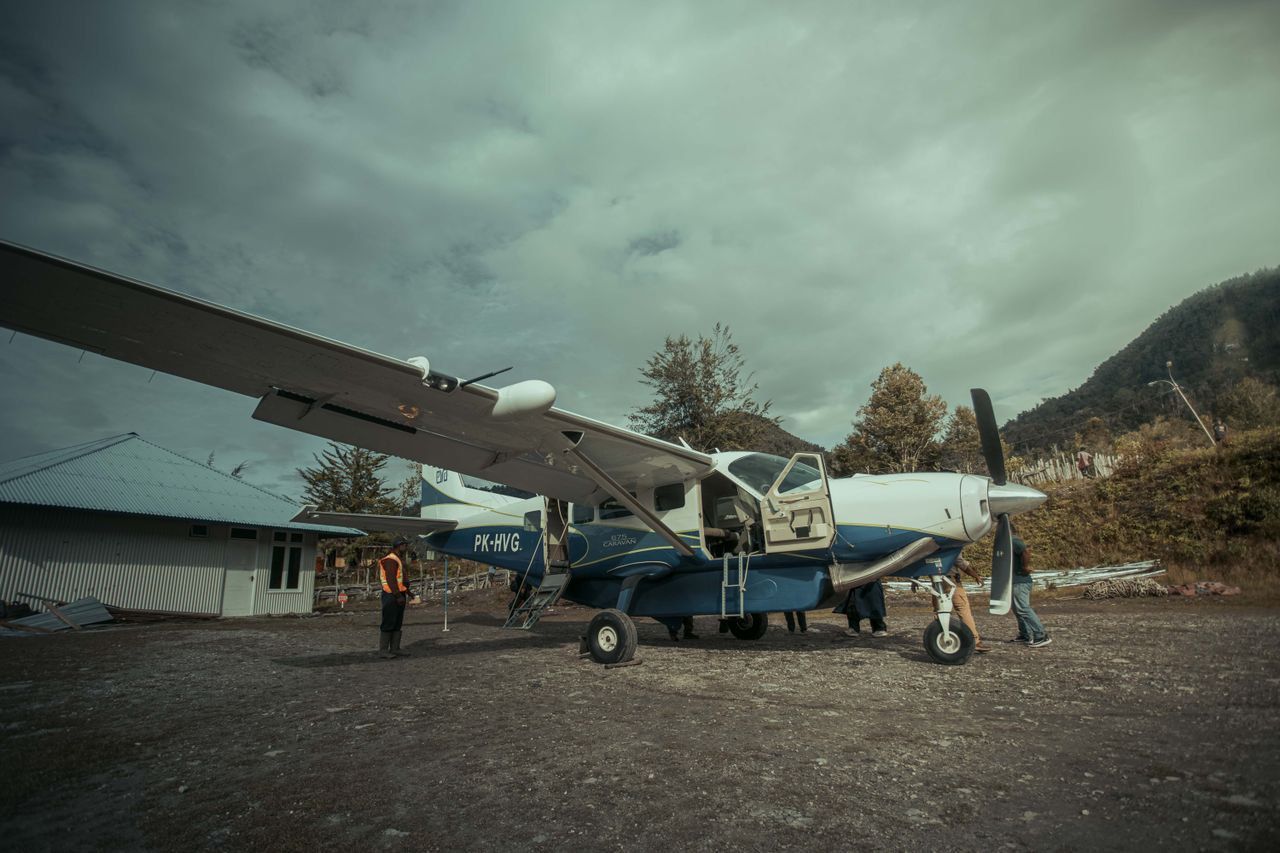
FIFO (fly-in, fly-out) means the employer flies you to site, usually from a regional airport, at the start of your rotation and flies you home at the end. This is standard on remote mining, exploration, and northern oil sands sites where driving in isn't practical. Flights are typically arranged and paid by the employer — our own job card example for a hydro site notes flights arranged from the nearest regional airports, which is typical of how this gets handled.
DIDO (drive-in, drive-out) means you drive yourself to site, or take an employer-arranged shuttle from a nearby town, at the start and end of your rotation. It's more common on construction and hydro sites within a few hours of a population centre, and it usually means you're covering your own transportation, which is worth factoring into whether a slightly lower wage on a DIDO site actually nets out ahead of a FIFO one.
Neither is objectively better — DIDO gives you more control over your own schedule and doesn't depend on flight availability; FIFO gets you to genuinely remote, often higher-paying sites you couldn't reach any other way.
What a Rotation Does to Your Pay
The upside of a longer rotation like 14&7 is usually overtime. Camp shifts commonly run 10–12 hours a day, and most provinces require overtime pay once you're past standard daily or weekly hours — so a 14&7 rotation at 12-hour days is a genuinely different paycheque than a 2&2 rotation at 8-hour days, even at the same base hourly wage. This is also where camp accommodation matters financially, not just for comfort: with meals and housing covered, most of what you earn on rotation is actually disposable income, since you're not also paying rent or buying groceries during your two weeks on site.
Life During a Rotation
Camp accommodation in Canada isn't improvised — BC and Alberta both regulate it directly, through BC's Industrial Camps Regulation and Alberta's Work Camps Regulation, which set minimum standards for rooms, food service, and sanitation. In practice, most camps provide a private or shared room, a cafeteria running multiple meals a day plus a packed lunch for shift, laundry facilities, and often a gym and wifi — though wifi quality at genuinely remote sites can be the one thing that doesn't match expectations, worth asking about directly before you commit to a 14&7.
Managing Fatigue on Long Rotations
Long rotations with long shifts are a known fatigue risk, and it's taken seriously at a regulatory level — CSA Group's research on workplace fatigue covers how Canadian employers are expected to manage shift length, rest periods, and cumulative fatigue across a rotation, not just a single shift. On a well-run site, that shows up as things like mandatory minimum rest between shifts, limits on consecutive days without a break, and closer oversight during the back half of a long rotation, when fatigue risk is highest. If a posting or an employer can't tell you how they manage this, that's a fair question to ask before you sign on for a 14&7 or longer.
Coming Home
The days-off half of the rotation is its own adjustment — going from 12-hour shifts and a packed schedule to a week or two at home with nothing structured takes some getting used to, and it affects people differently depending on whether they're coming home to a family, roommates, or living alone. It's a big enough part of camp life that it deserves its own answer rather than a paragraph here — we'll cover it in depth separately.
Which Rotation Is Right for You
A few honest questions to ask yourself before picking a rotation:
- How far is the site from home, realistically? A 2&2 only makes sense if the commute itself isn't eating your days off.
- What do you actually want your days off to look like? Fewer, longer stretches (14&7) suit people who want real blocks of time off; frequent shorter stretches (4&3, 8&6) suit people who don't want to be away that long at once.
- Does the wage make sense for the schedule? A lower hourly wage on a long, FIFO-heavy rotation can still out-earn a higher hourly wage on a short DIDO one, once overtime and covered living costs are factored in — do the actual math on hours worked, not just the posted rate.
Ready to see what's actually available on each schedule? Browse current camp jobs and filter by rotation, industry, and province — or if you're still deciding whether camp work is the right move at all, start with the full guide.
Never Miss a Worker Opportunity
Get the newest international worker jobs and travel career guides delivered weekly.
No spam. Unsubscribe anytime.